PinPong: Urban Table Tennis
A location-based app connecting players to public ping pong
Public ping pong tables are notoriously difficult to find. PinPong bridges this gap by helping urban, active users discover, navigate, and share local playing spots. Conceived as an end-to-end product concept, the app transforms spontaneous outdoor recreation into a seamless digital experience.
Type
Conceptual Product
Role
UX/UI Designer
Focus
Location-Based Services
Year
2020
The Friction of Spontaneity
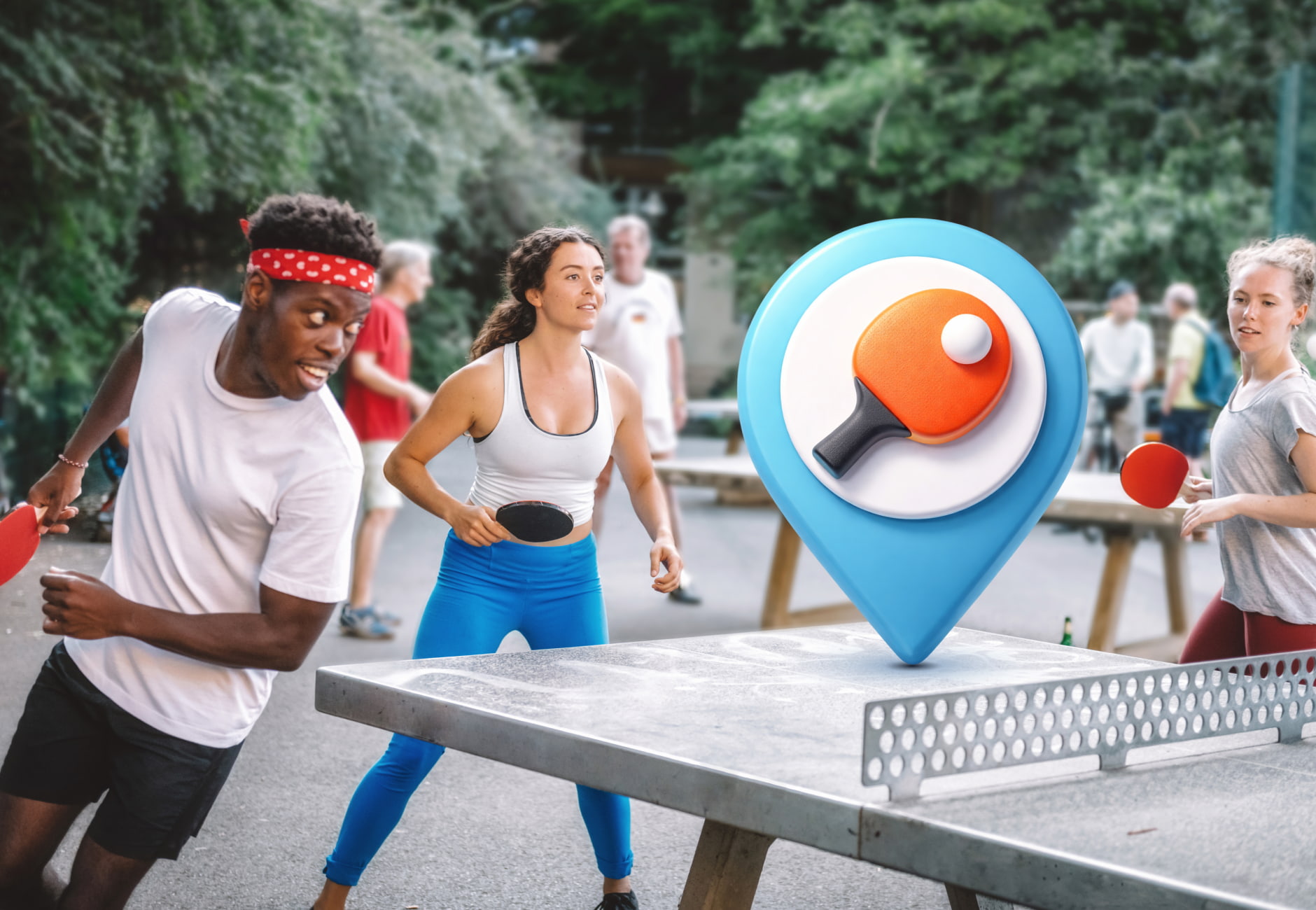
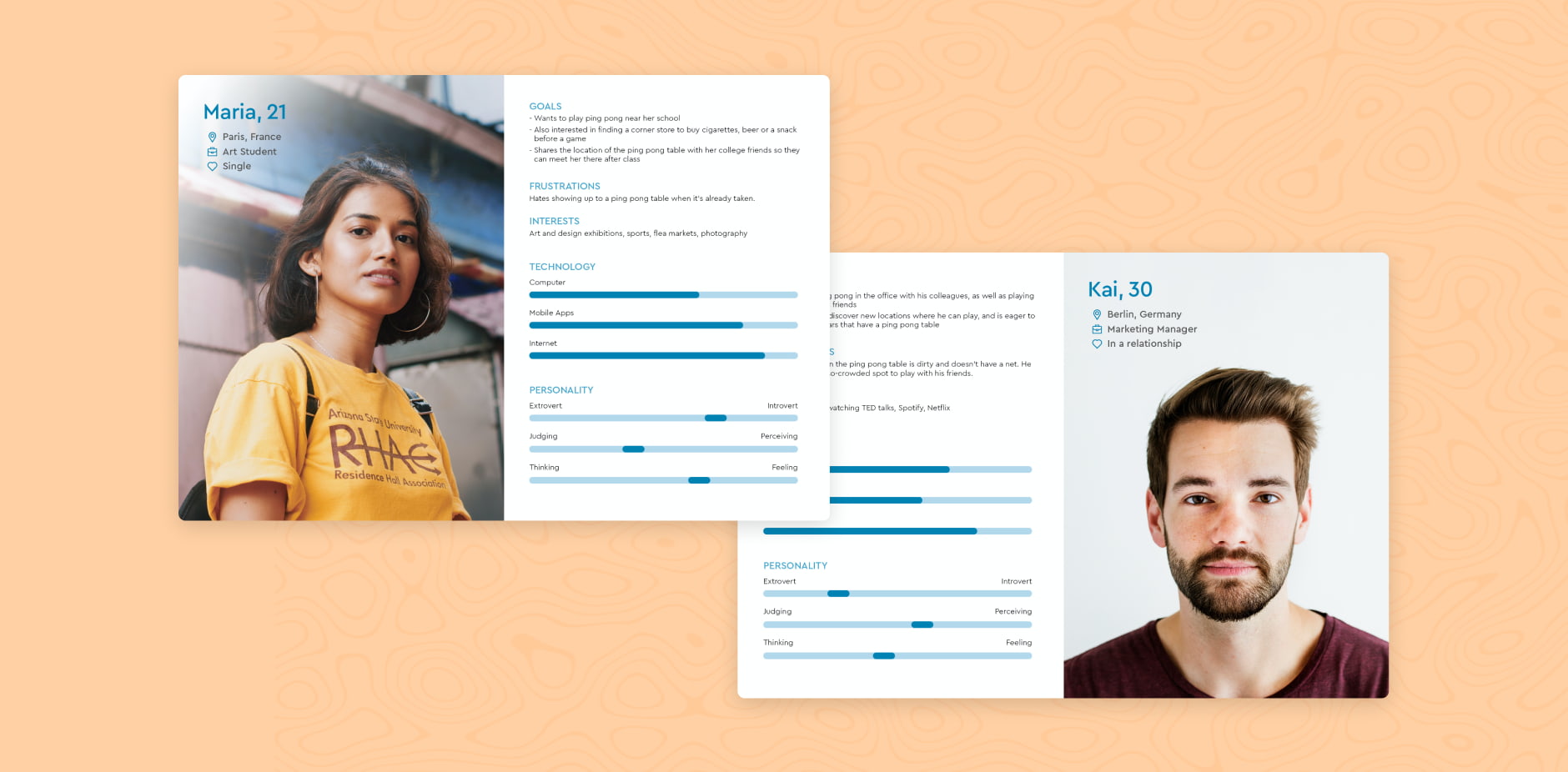
Public ping pong tables are often hard to find. There's no dedicated tool to locate them, check their condition, or share a spot with friends. PinPong fills that gap for active, urban users who want a quick, social way to play.
Structural Clarity
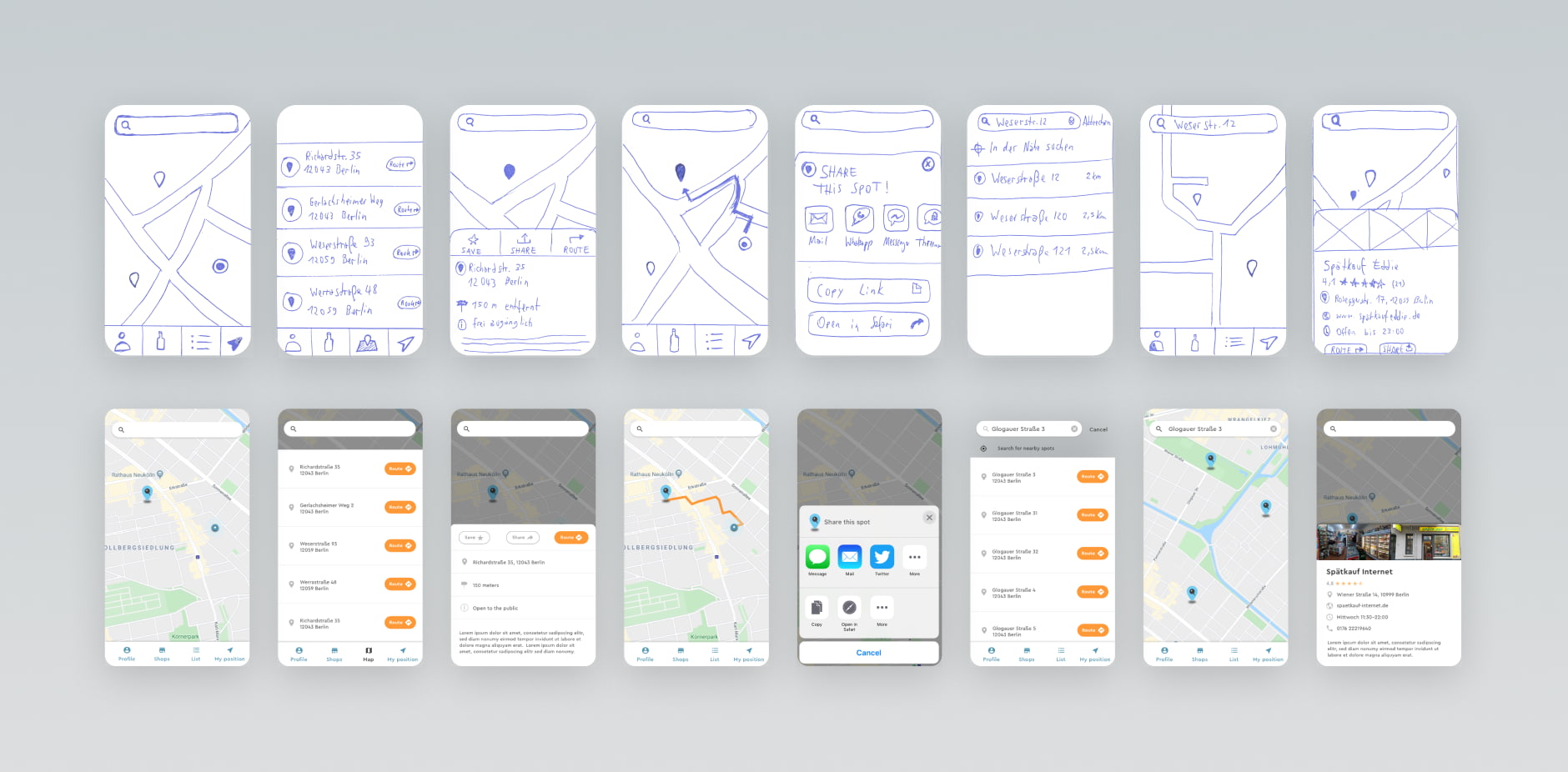
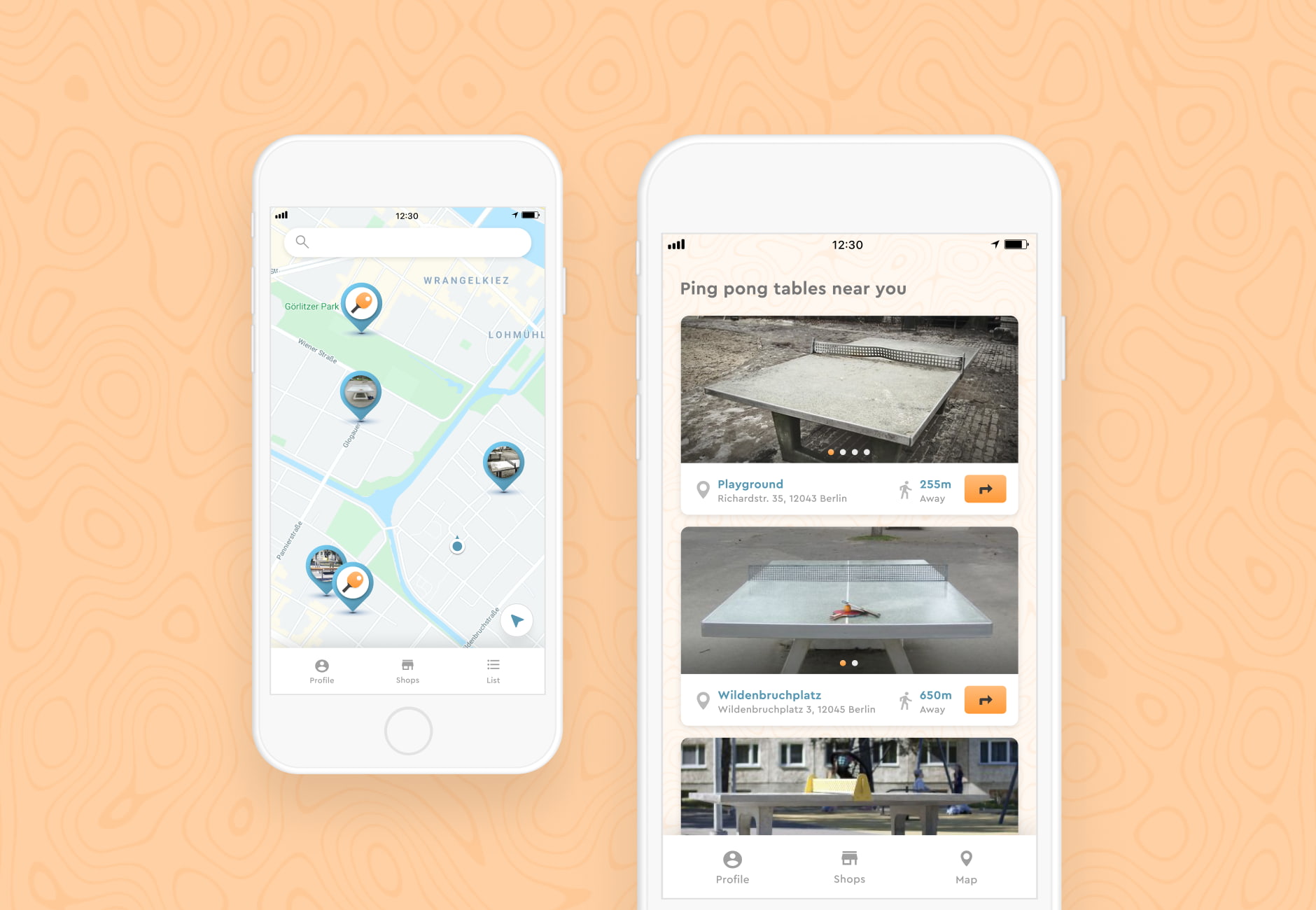
Early structural explorations prioritized map orientation to reduce cognitive load. By stripping away extraneous navigation, the architecture ensures that nearby tables are immediately visible upon launch, directly aligning with the user's intent to play.
"Spontaneous outdoor recreation demands a frictionless digital experience."
Visualizing Energy
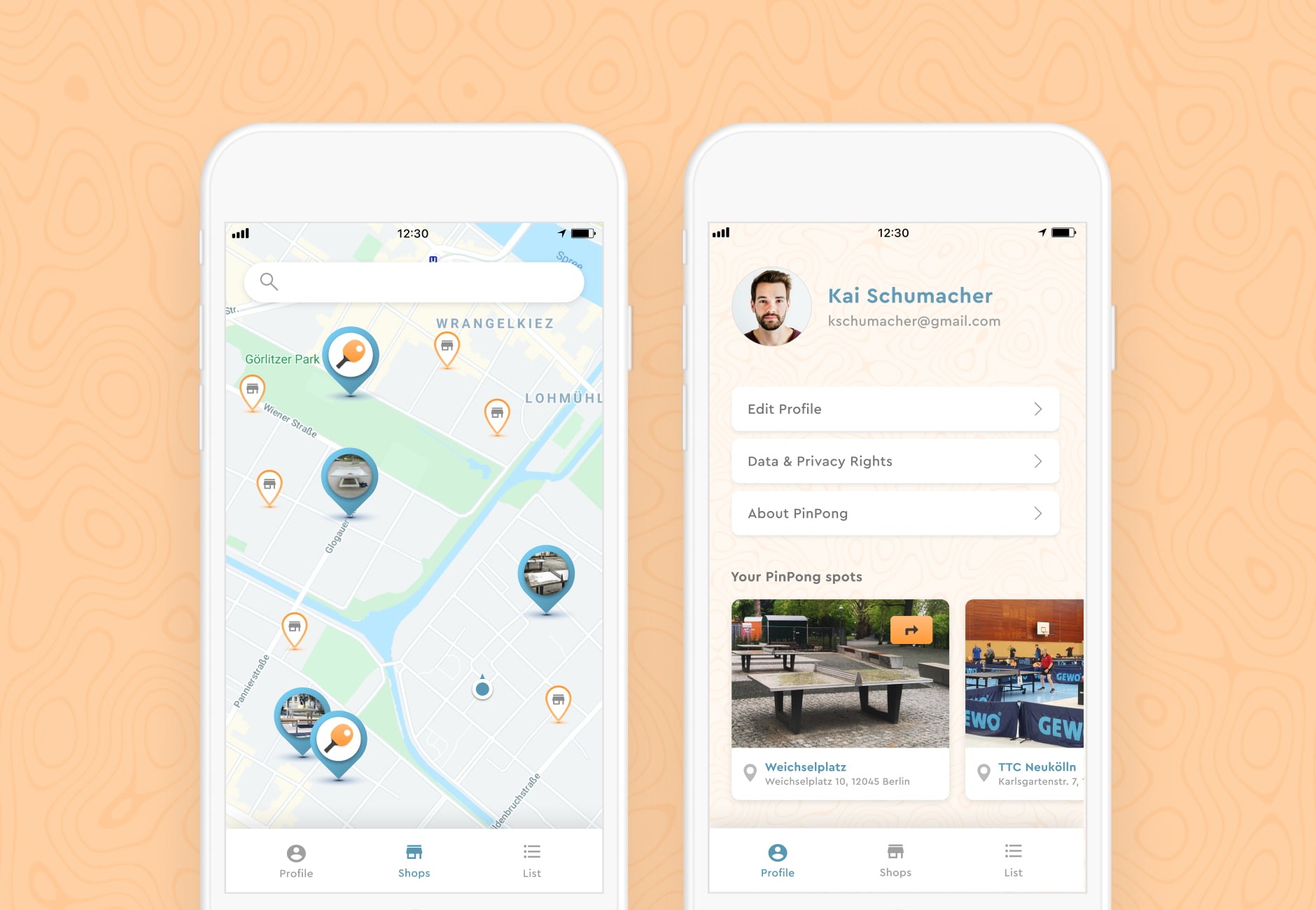
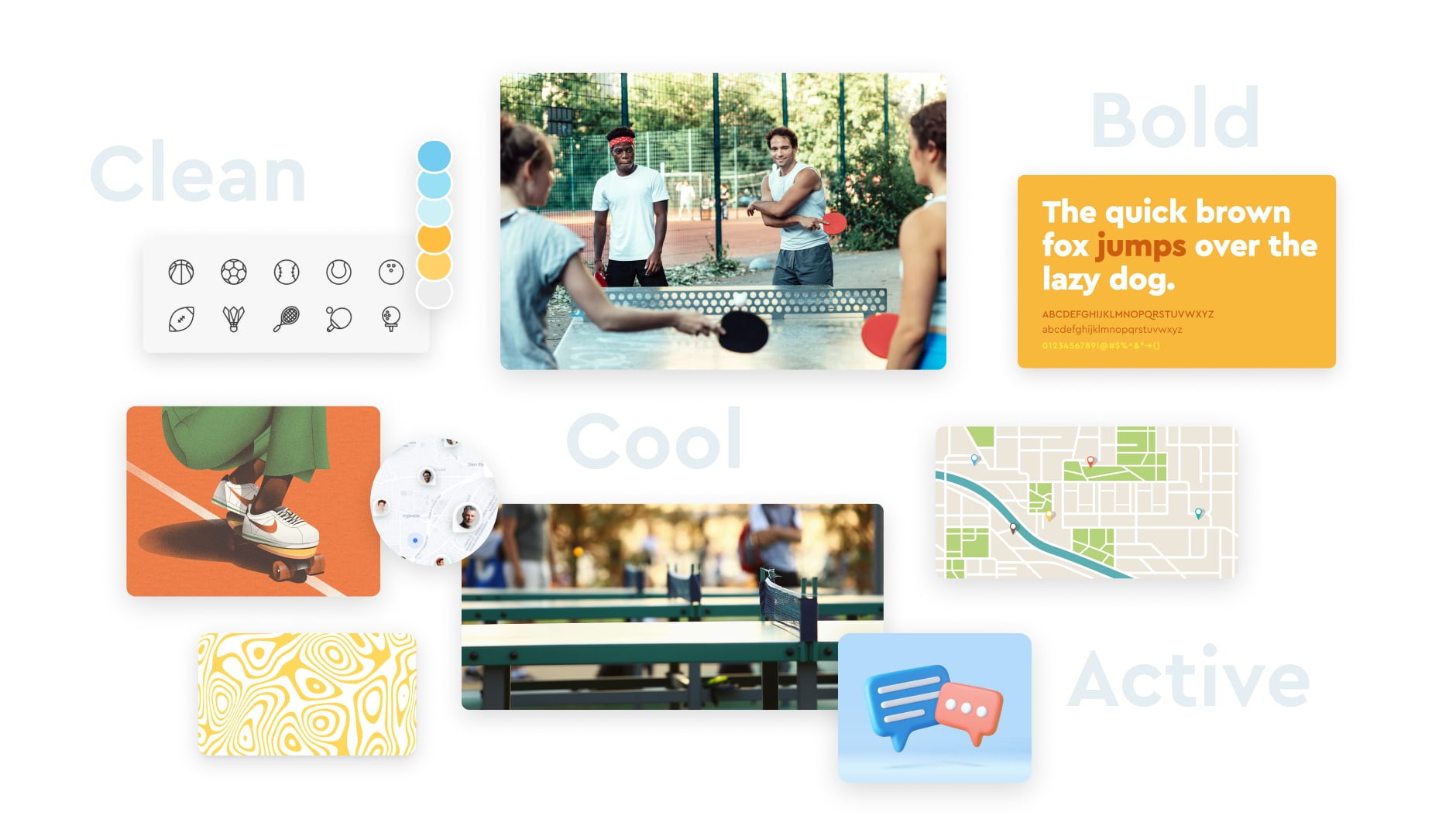
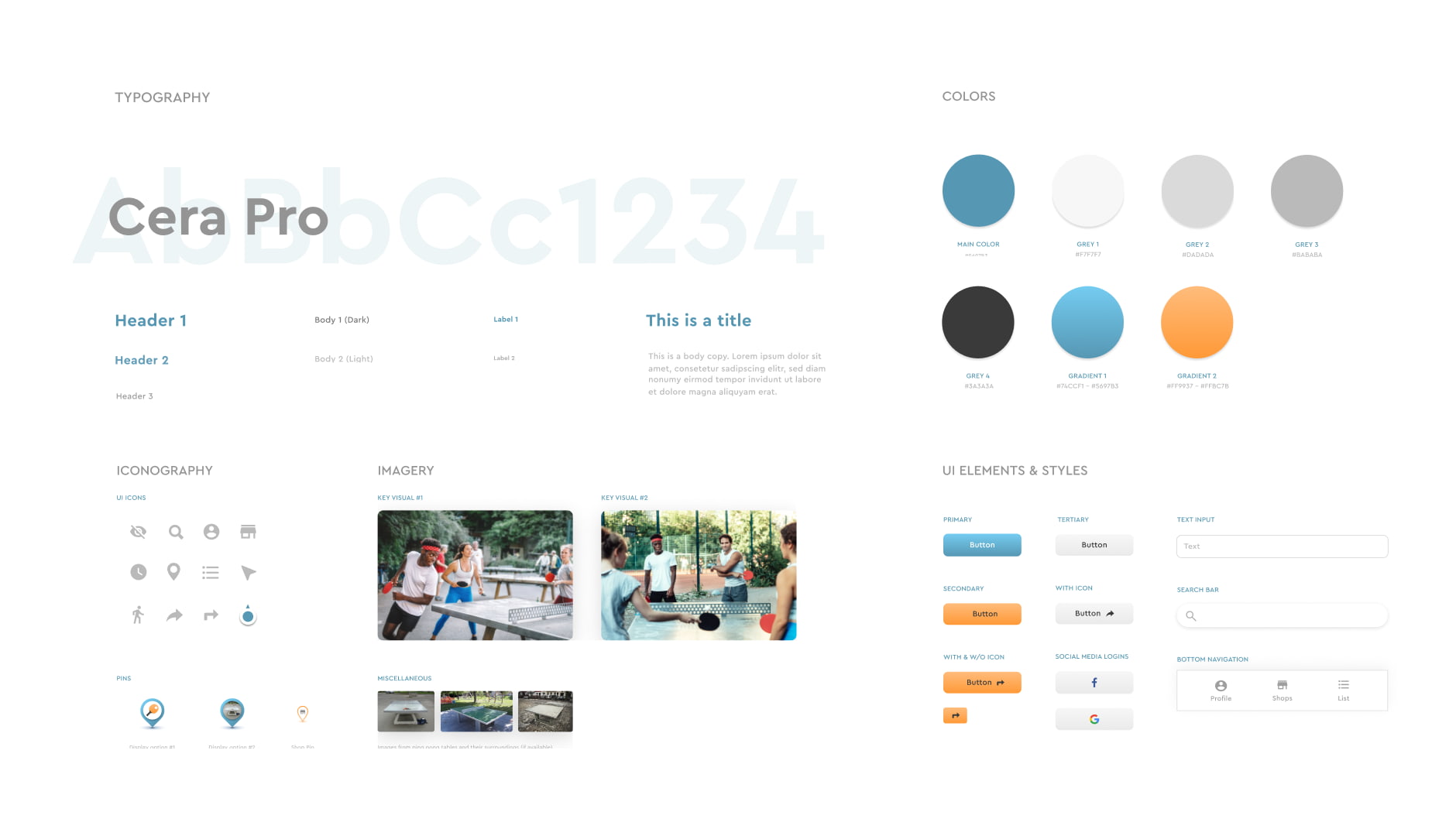
The visual direction balances the dynamic energy of physical sports with strict digital clarity. Vibrant accent colors signal activity and interactivity, while a clean, structured layout maintains focus and ease of use when navigating the city.
Streamlined Onboarding
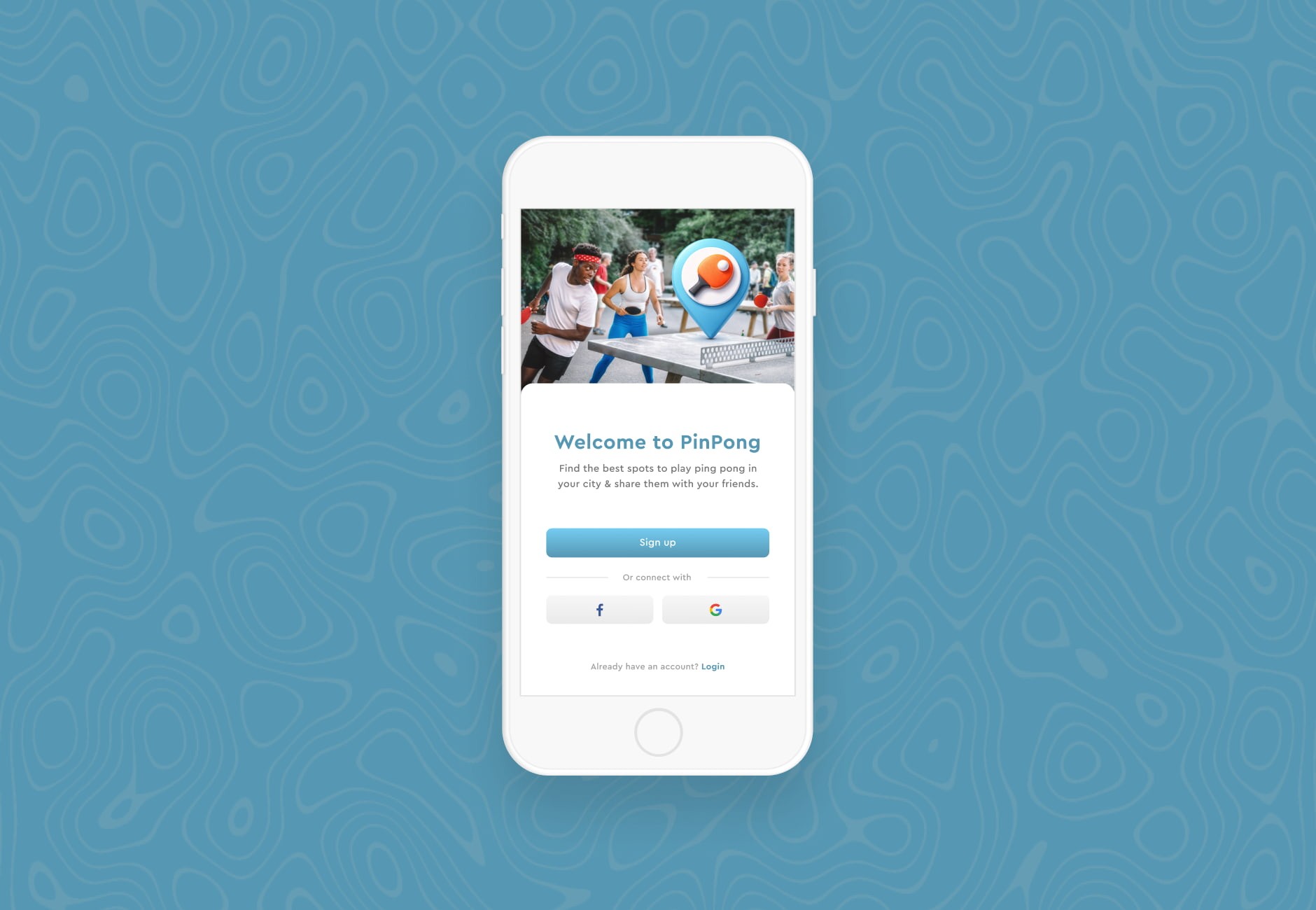
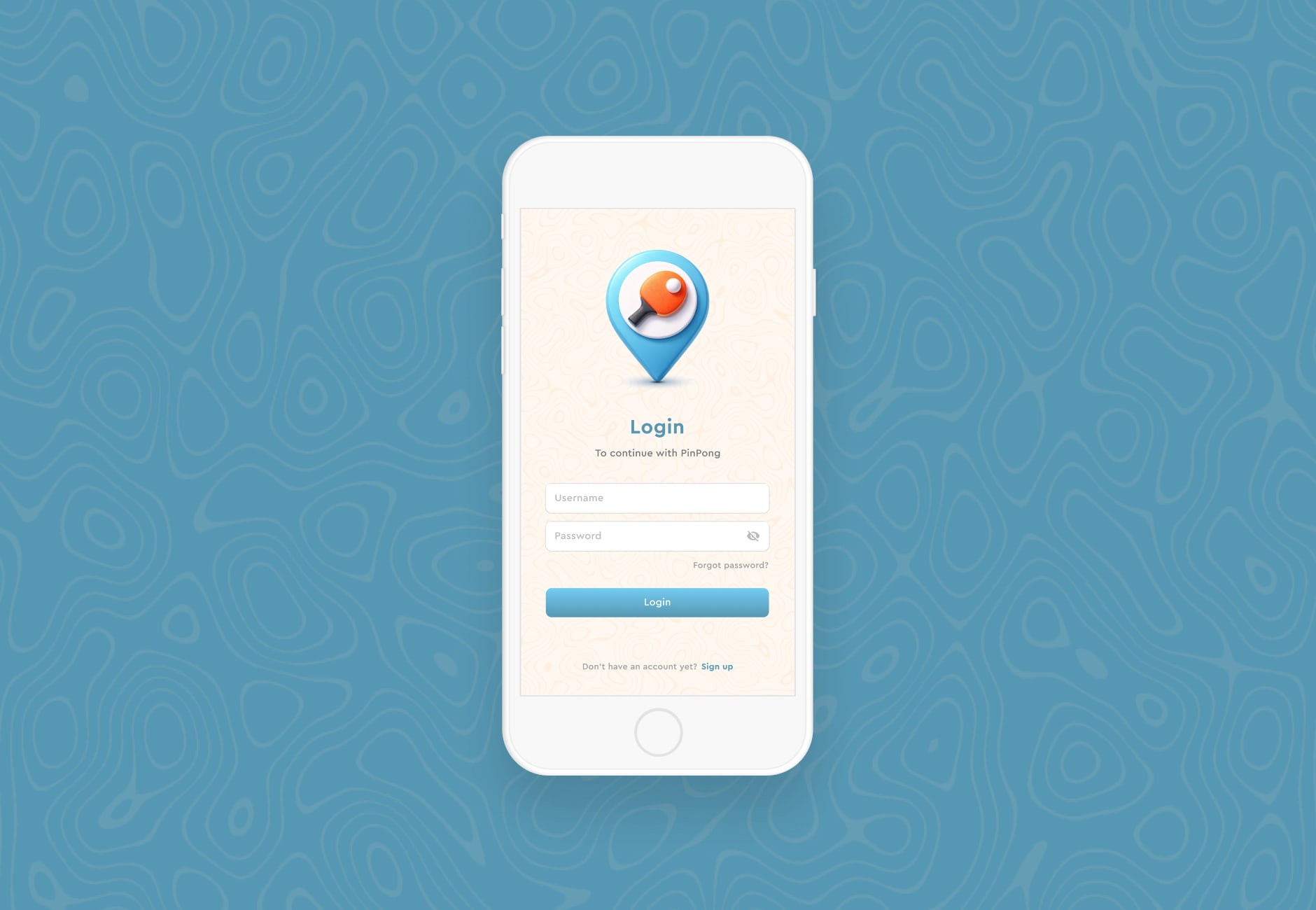
Account creation must not impede the desire to play. The onboarding flow leverages social login to instantly bypass traditional barriers, dropping the user directly into the active map interface within seconds of launching the application.
Spatial Navigation
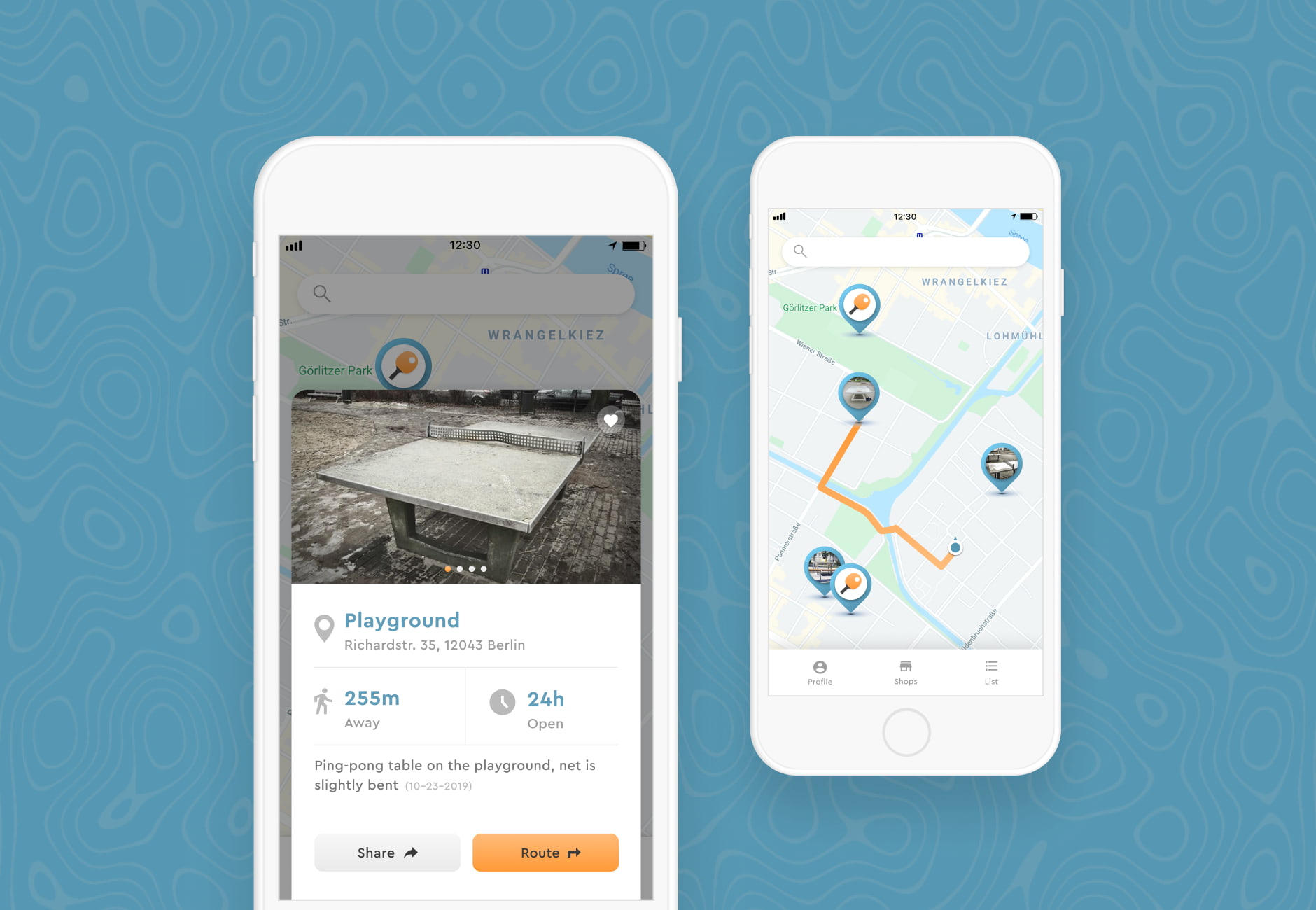
The primary interface serves as an immersive spatial tool. Spot details overlay the map to provide critical insights—such as table condition—at a glance. Integrated routing transforms digital discovery directly into physical navigation.
Contextual Ecosystem
To support the complete user journey, the experience extends beyond the tables. Contextual pins highlight nearby shops to grab a quick drink before a match, while personalized profiles allow users to curate and save their favorite local spots.